-
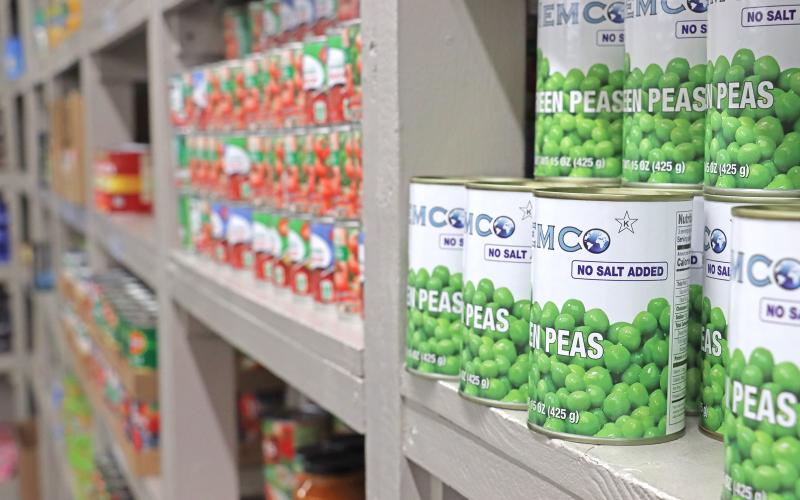 (ARCHIVE PHOTO | THE GRAHAM LEADER) Cans of food line the shelves of the Graham Food Pantry in 2024 located at 601 Indiana St.
Those utilizing the Supplemental Nutrition Assistance Program (SNAP) will be restricted from buying candy or sweetened beverages with their Lone Star Cards in Texas starting in April.
In the state of Texas, SNAP is supplied through a Lone Star Card that can be used similar to a credit card at any store that accepts SNAP.
These funds cannot be used to purchase tobacco, alcohol or to pay for owed food bills or purchase of items that cannot be eaten or drank. SNAP benefits can be used to purchase food online.
As of Wednesday, April 1, SNAP cannot also not be used to purchase candy bars, gum, taffy, nuts, yogurt, caramel or raisins or fruits that have been candied, glazed or coated with chocolate.
Foods that can be purchased using the benefits are fruits, vegetables, garden seeds and plants that produce food, bread and cereal, meat, fish and poultry.
Additionally, sweetened drinks cannot be purchased with the benefits that are nonalcoholic beverages made with water that contains 5 grams or more of added sugar or any amount of artificial sweetener.
Beverages that can be purchased include milk or milk products like soy, rice or similar milk substitutes or beverages that have more than 50% vegetable or fruit juice by volume.
In May 2025, Gov. Greg Abbott sent a letter to Secretary of Agriculture Brooke Rollins requesting a waiver from the U.S. Department of Agriculture (USDA) Food and Nutrition Service to prohibit certain foods from being purchased using SNAP benefits.
“SNAP was created to increase access to nutritious food; however, many SNAP purchases are for food with little to no nutritious value,” Abbott wrote in the letter. “Under the Trump administration, for the first time since the program was authorized, states can take steps to eliminate the opportunity to buy junk food with SNAP benefits and assure that taxpayer dollars are used only to purchase healthy, nutritious food.”
SNAP purchase restrictions were presented in Senate Bill 379, which was signed into law and in effect Sept. 1, 2025.
“Texas is leading the way in aligning SNAP benefits with healthier food options,” Abbott said. “By implementing these changes, we encourage better nutrition and ensure this program helps families access nutritional food. I thank the Trump Administration and the Texas Health and Human Services Commission for their work to strengthen this program and better serve Texans.”
Those in low-income households are eligible for SNAP benefits if they fit within the family size maximum monthly income requirements.
The maximum amount a family receives is also based on family size, with a one-person household eligible for $298 and a four person household eligible for $994.
The highest family size is eight, which can receive $1,789.
Each additional family member past eight is eligible for an additional $218 per person on top of the $1,789.
As of August 2025, Young County has a total of 842 households on SNAP, a total of 1,683 SNAP participants, total SNAP payments of $243,422 and average payments per case of $289, according to data distributed by Feeding Texas from Texas Health and Human Services.
According to the same data, utilizing those benefits in Young County were 228 individuals who were 65 years of age and older, 93 individuals who were between the ages of 60 and 64, 650 who were between the ages of 18 and 59, 500 who were between the ages 5-17 and 212 who were 5 years of age and below.